The Slow Food Movement
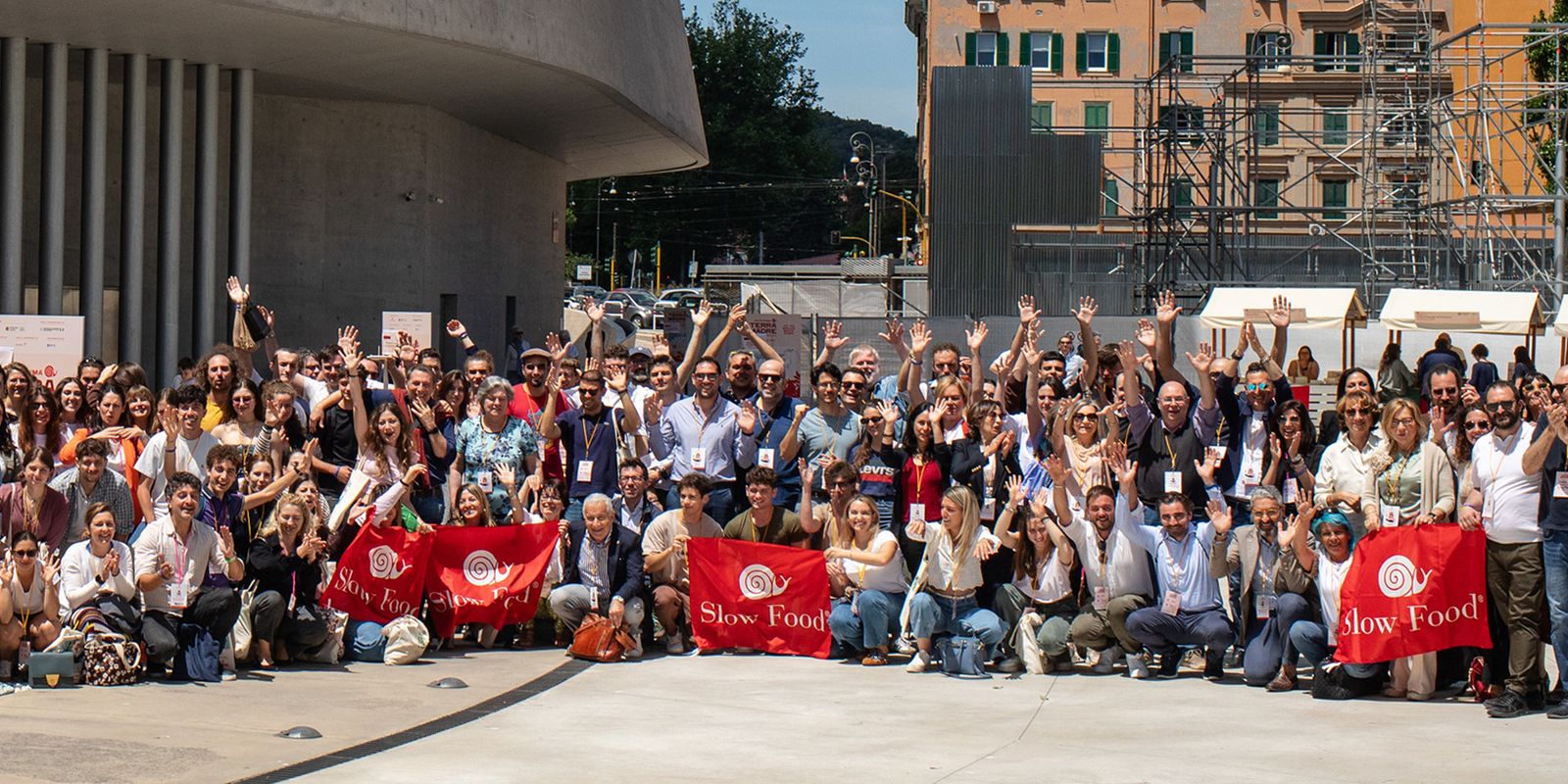
One idea holds the whole movement together: food that's good to eat, clean in how it's grown, and fair to the people who produce it. Slow Food connects more than 500,000 people across 160 countries around that idea, and it started with a single protest against fast food.
The Beginning of Slow Food
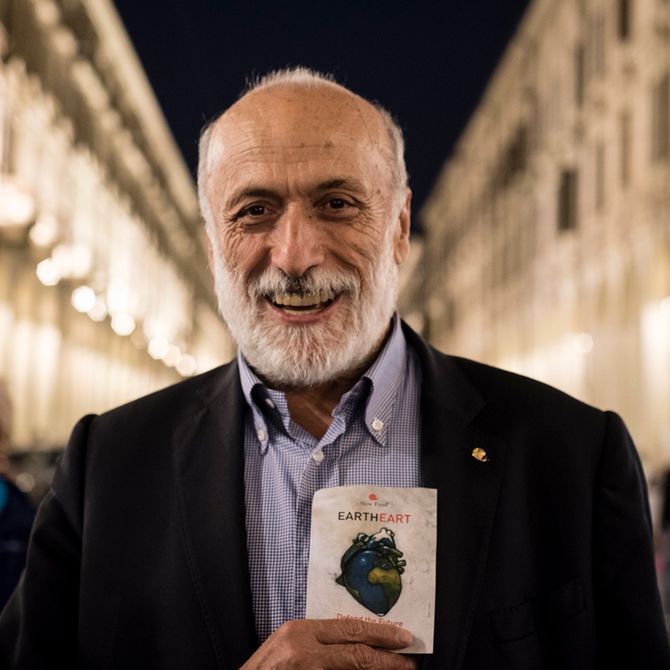
In 1986, a McDonald's opened at the base of the Spanish Steps in Rome. Carlo Petrini, a food writer from the northern Italian town of Bra, organised a response. He and a group of activists brought a large bowl of pasta to the piazza and served it to the crowd.
They chanted: We don't want fast food. We want Slow Food.
That was the beginning. Slow Food now operates in more than 160 countries and connects over 500,000 people across 2,000 local chapters. Slow Food Melbourne is one of them.
The Slow Food Manifesto
Petrini's argument was that industrialised food was doing real damage to flavour, to biodiversity, and to the knowledge farmers carry across generations.
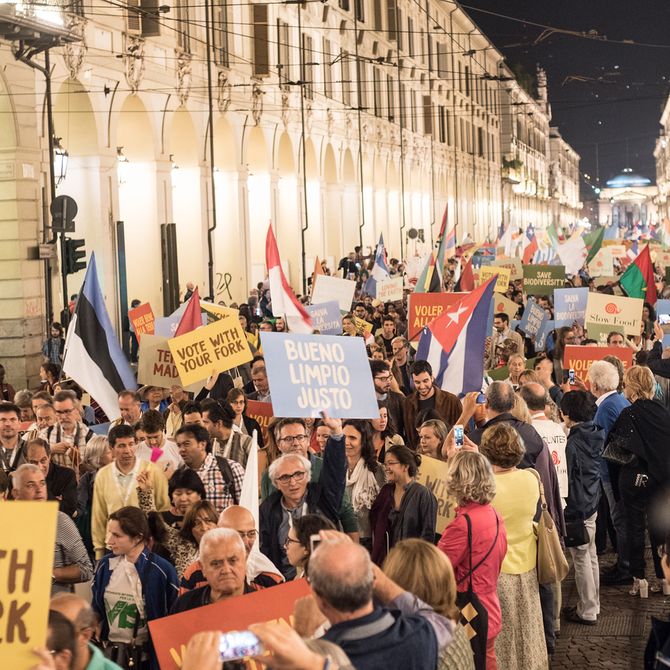
In 1989, delegates from 15 countries signed the first Slow Food manifesto in Paris.
Writer Folco Portinari described the problem plainly: "We are enslaved by speed and have all succumbed to the same insidious virus: Fast Life."
Eating well, slowly, with attention to who grew your food, was a political position.
The Slow Food WebsiteWhat the Movement Does
Slow Food works across three areas:
-
Education
Helping people understand where food comes from and why the details matter: who grew it, on what soil, under what conditions, with what seeds. This includes school garden programmes, taste education, and training for chefs and producers.
-
Advocacy
Defending the conditions that make good food possible. Slow Food lobbies against agricultural policies that favour industrial monocultures over small-scale farmers. It opposes the indiscriminate use of pesticides and genetic engineering. It pushes for fair treatment and fair pay at every level of the food system.
-
Events
Connecting producers and eaters at the local, national, and global scale. The Terra Madre gathering in Turin brings food communities from across the world together every two years. The Salone del Gusto, held alongside it, is one of the largest food fairs on earth.
The Convivia Model
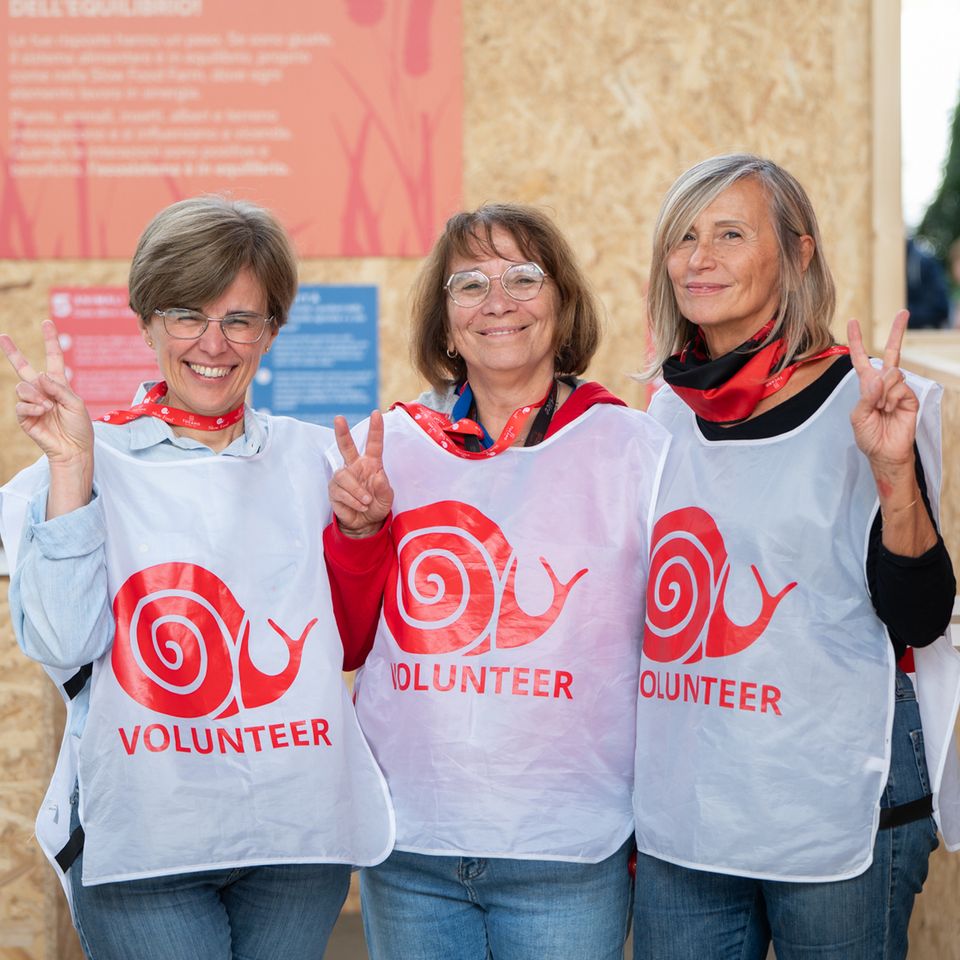
Slow Food does not operate from the top down. The movement runs through local chapters called Convivia (from the Latin word for a gathering at a shared table).
Each convivium decides its own programmes and operates within Slow Food's Good, Clean, Fair principles.
There are more than 2,000 convivia worldwide. Each one is asking the same question, with different ingredients and different communities: what does good, clean, and fair food look like here, for the people who live here?
Slow Food Melbourne operates within this structure. Our farmers markets are one expression of the convivium model.
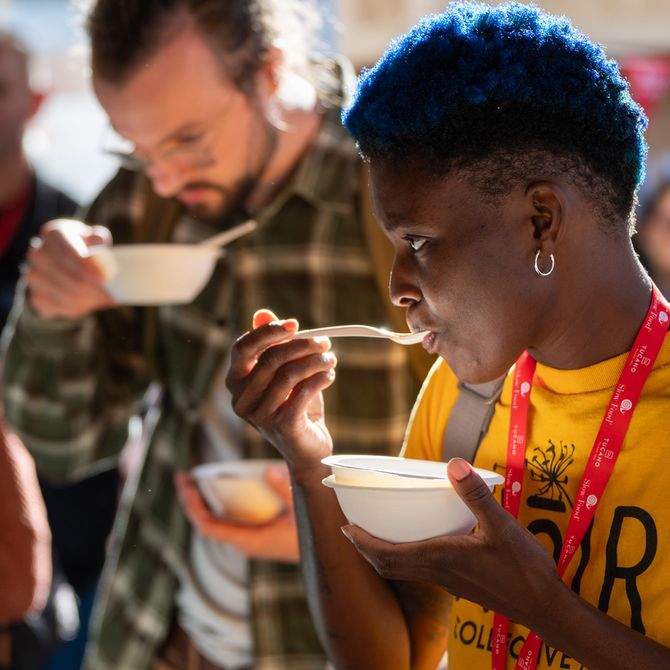
Slow Food in Australia
Australia has several active Convivia, including Slow Food Melbourne. Slow Food Australia connects Australian chapters to the international movement and organises national events and advocacy. Australia's Indigenous foods, heritage breeds and distinctive regional produce make it a significant contributor to the global movement's work on food heritage and the Ark of Taste.
Other Slow Food Convivia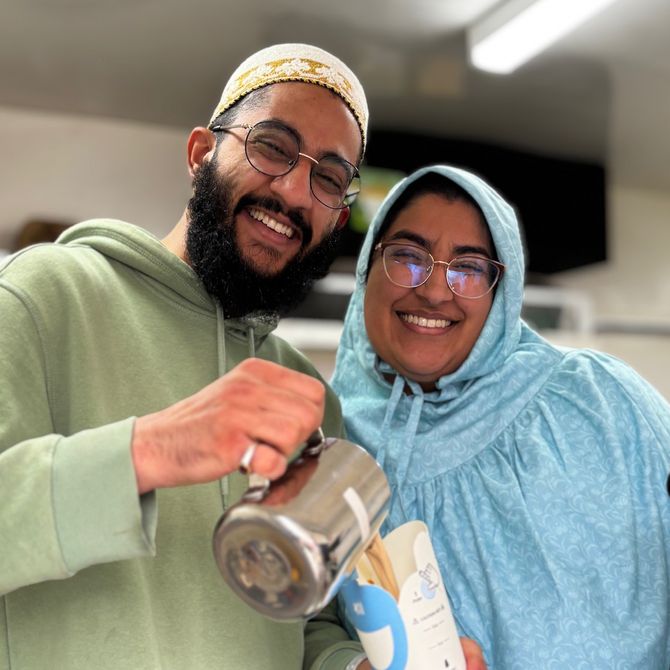
Slow Food in Melbourne
The markets we run every month are one answer to the question the movement has been asking since 1989. What does it look like to eat well, fairly, and without destroying what makes good food possible?
Every time you buy from a Spotswood, Edgewater, West Footscray or Yarraville stallholder, you're part of the same conversation that started in a Roman piazza in 1986. That conversation now involves 500,000 people in 160 countries and you're one of them.
About Slow Food Melbourne