The Ark of Taste
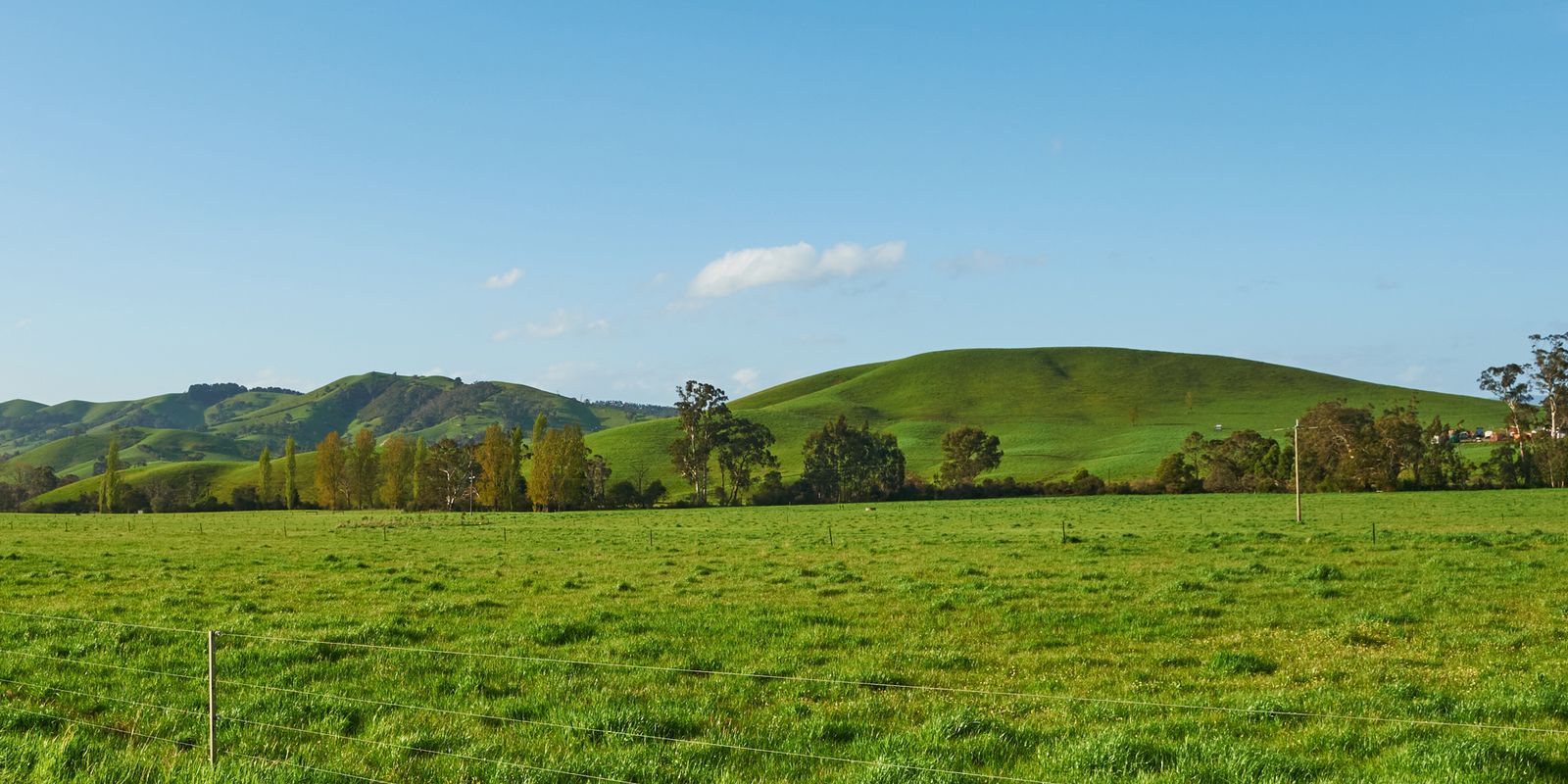
The Ark of Taste is a global catalogue of foods at risk of disappearing. Slow Food built it on the premise that eating these foods is what keeps them in production. Australian entries on the list cover Indigenous bush foods, heritage breeds, and a gold rush-era sausage from the Victorian goldfields.
A Record of What We're at Risk of Losing
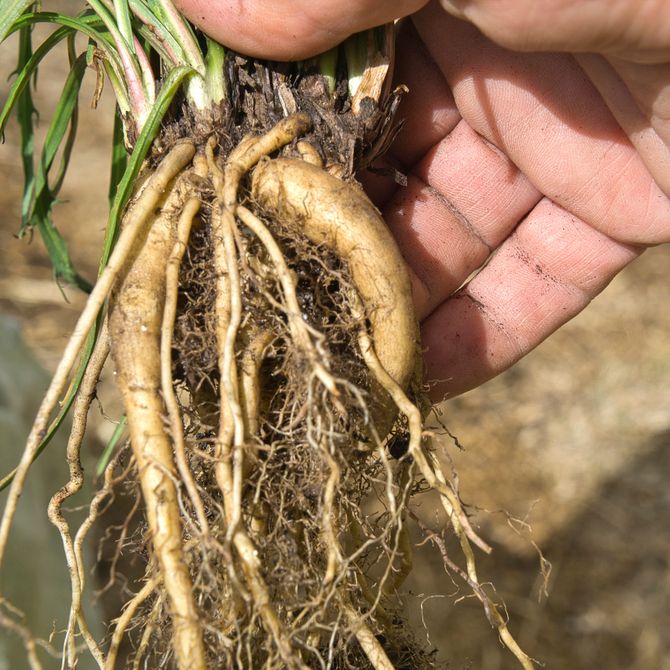
The Yam Daisy, known to Kulin nation peoples as murnong, once covered Victoria's western grasslands so densely that early European accounts describe the ground as thick with it. Within a generation of sheep arriving, most of it was gone. The Dairy Shorthorn cow helped build Australian dairy farming and now survives in a few hundred registered animals.
The Ark of Taste catalogues foods like these: fruits, vegetables, grains, animal breeds, and traditional preparations that are good, culturally significant, and at real risk of disappearing.
To make the list, each entry must be outstanding in quality, tied to a specific place and its people, and facing extinction. Once the last producer stops, the knowledge goes with them.
The Ark of Taste treats this as a specific, solvable problem. By naming a food and telling its story, Slow Food puts it back in the conversation with farmers, cooks, and consumers.
Getting Listed is not the end of the Story
For most Ark entries, the response is to buy them. A farmer who can sell Murray Crayfish or a Wessex Saddleback Pig at a fair price has a reason to keep producing them.
For others, where consumption is part of the problem, Slow Food recommends eating less or none at all, while supporting the conditions that allow recovery. The Ark asks you to know the difference. It asks producers and communities to tell their stories, and cooks to put these ingredients on menus.
Victoria on The Ark of Taste
Australia has over 60 entries on the Ark, covering native bush foods with tens of thousands of years of use, heritage livestock breeds, and traditional preparations carried here by settlers.
Nine of those entries have a direct connection to Victoria.
-
Blacklip Abalone
Shell middens along the coast mark thousands of years of Blacklip Abalone eaten in the shell over campfires. The Indigenous communities who harvested them left marked shells on the midden pile so the next family knew to move on. Australian law now bars those communities from doing this, while overfishing, disease, and warming water push the species toward collapse.
-
Bull Boar Sausage
Cinnamon, cloves, nutmeg, allspice, and garlic-steeped wine. When a Bull Boar sausage goes into the pot, it smells like a meaty hot cross bun. The recipe arrived in the Victorian Goldfields in the 1850s with Swiss and Italian settlers and has stayed there ever since. Roughly equal parts beef and pork, it was named Bull Boar for the two animals it combined. A handful of local butchers still make it, and Hepburn Springs holds a festival for it each year.
-
Dairy Shorthorn
Eighteenth-century breeders had a phrase for it: those “for the hook” and those “for the pail.” The Dairy Shorthorn was the pail animal. It originated in County Durham in the sixteenth century and is the world’s oldest pedigree-registered cattle breed. A New South Wales Herd Book from 1873 lists more than a thousand pedigree animals in the colony. Around 200 registered pure-bred breeding females remain today, in herds across Victoria, Tasmania, and the ACT.
-
Eel-tailed Catfish
Prized by Indigenous peoples for thousands of years and sought out by European settlers for its white flesh and delicate flavour. Populations collapsed from the 1980s onward. It is now Endangered in New South Wales and Threatened under Victoria’s Flora and Fauna Guarantee Act. In parts of the southern Murray-Darling, it is already gone.
-
Murray Cod
Many Murray River peoples believed the wide bends of the river were carved by a giant cod swimming toward the sea. The fish earned that mythology. The Murray Cod is the largest exclusively freshwater fish in Australia, capable of growing past 1.8 metres and living for 70 years. Peoples along the Murray-Darling relied on it for more than 40,000 years. Wild stocks, reduced by overfishing, dams, and pollution, are now supplemented by fingerlings raised in aquaculture and released into the river.
-
Murray Crayfish
For thousands of years it was a prized food for Indigenous peoples, caught by hand in shallow water, then cooked in hot coals. It takes six years to reach reproductive age. That slowness makes it unsuitable for aquaculture and vulnerable to overfishing. Its abundance has since declined, squeezed by altered water flows, pesticide runoff, and introduced crayfish species.
-
Native Cabbage-Tree Palm
Cutting out the heart of a Native Cabbage-Tree Palm gives you something to eat. It also kills the tree. Coastal Indigenous communities built protocols: take a certain size, keep it for emergency or ceremony. The palm grows to 25 metres in moist forests across Victoria, New South Wales, and Queensland, and reproduces only from seed. Settlers have cleared most of it since colonisation.
-
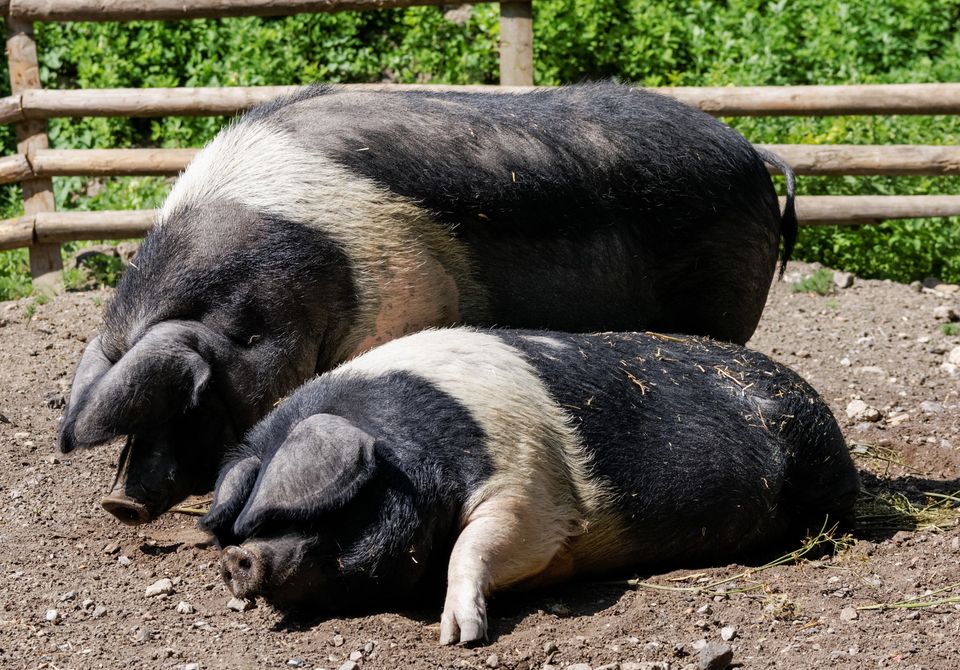
Wessex Saddleback Pig
Black-coated with a white band across the shoulders, the Wessex Saddleback foraged the New Forest in southern England for over ten centuries before intensive farming had no use for it. Breeders crossed it with the Essex to make the British Saddleback, and the Wessex went extinct there. Pedigreed animals reached Australia in the early twentieth century. At least nine registered herds remain here, all free-range.
-
Yam Daisy
Early European explorers described fields full of Yam Daisy. A generation after sheep arrived, those fields had gone. The Wathaurong and Yuin peoples had cultivated it across southeastern Australia for millennia. The tubers grow just below the surface, are easy to harvest in quantity, and deliver more energy than potato when cooked in pit ovens. A small number of farmers and researchers are growing it again.
The Complete Ark of Taste Catalogue
The global Ark holds more than 5,000 entries across 130+ countries. You can browse the full catalogue, searchable by country, region, and food category, on the Slow Food Foundation website.
Know a Food that Belongs on the Ark?
Nominations are open to everyone. You do not need to be a Slow Food member to nominate.
To qualify, a food must meet four criteria:
- Outstanding quality. It must be genuinely good in flavour or cultural significance
- Linked to a specific territory. The food must have a clear connection to a place and the people and traditions of that place
- Produced by small-scale operators. Industrial products don't qualify. The food must come from small farms, artisan producers, or wild harvests managed by local communities
- At genuine risk of extinction. This means low commercial volumes, declining producer numbers, or loss of the knowledge to make or grow it.
If a food you know meets those criteria, submit a nomination on the Slow Food Foundation website. The process asks you to document the food's history, production method, and current status.